







 Student Development
21st-Century Skills Every Student Needs for Future Success
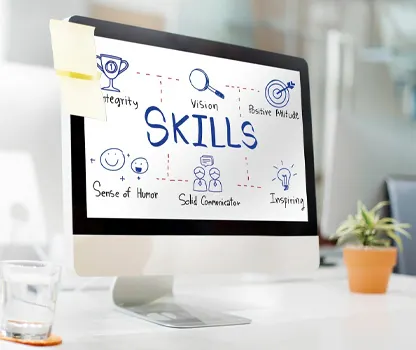
Education today reaches far beyond textbooks, examinations, and report cards. As the world changes at remarkable speed, young people must be prepared not simply to score well, but to think critically, adapt with ease, and work generously alongside others. This is where 21st century skills quietly do their most important work: shaping confident, capable, and future-ready learners.
Parents often ask us what their children truly need in order to thrive in college, in their careers, and in life beyond school. Strong academic foundations remain essential, yet skills such as communication, creativity, collaboration, and problem-solving matter just as deeply. This guide explores the most important 21st century skills, why they deserve a parent's attention, and how learners can build them through everyday experiences.
What Are 21st Century Skills?
21st century skills are the set of abilities that help students flourish in a fast-changing, technology-driven world. They prepare learners to meet complex challenges, think for themselves, and step into unfamiliar situations with quiet confidence.
Rather than resting on memorisation alone, modern education invites students to:
• Think critically
• Communicate clearly
• Collaborate effectively
• Use technology responsibly
• Adapt to change
Together, these abilities lay the groundwork for lifelong learning and genuine personal growth.
Why 21st Century Skills Matter More Than Ever
The careers today's students will one day enter may look very different from anything we recognise now. Many will call for flexibility, creativity, and genuine warmth in working with people. Developing 21st century skills early helps learners remain relevant, and resilient, as the world around them evolves.
These skills:
• Prepare students for future careers
• Improve problem-solving abilities
• Encourage independent thinking
• Build emotional intelligence
• Support academic and personal success
Schools that place holistic development at the centre, as many schools in Bangalore now do, nurture these skills hand in hand with academics.
Critical Thinking and Problem-Solving
Among the most valuable of all 21st century skills is the ability to think critically. Learners need to analyse information carefully, question assumptions, and arrive at decisions they can explain and defend.
Critical thinking helps students:
• Solve real-world problems
• Evaluate information sources
• Understand different perspectives
• Make logical decisions
• Apply learning beyond textbooks
Curiosity is the natural teacher here; open-ended questions, asked often, build this habit of mind without effort.
Communication Skills
Clear communication carries a student through every academic and professional setting they will ever enter. It means expressing ideas with confidence, listening with genuine attention, and speaking with respect.
Strong communication as part of 21st century skills includes:
• Verbal and written expression
• Active listening
• Presentation skills
• Digital communication
• Emotional awareness
Many CBSE schools in Bangalore weave presentations, group discussions, and collaborative projects into everyday learning so that communication grows through practice, not theory.

Collaboration and Teamwork
Modern workplaces prize collaboration more than ever before. Learning to work well with others, especially those who see things differently, sits at the heart of 21st century skills.
Collaboration teaches students:
• Respect for diverse opinions
• Responsibility and accountability
• Conflict resolution
• Leadership and teamwork
• Empathy and cooperation
Group activities, sports, and project-based learning give students countless natural opportunities to practise these qualities.
Creativity and Innovation
Creativity is not confined to the art room. It is a way of thinking differently and finding solutions no one else has considered. As part of 21st century skills, creativity gives students permission to explore ideas, take sensible risks, and innovate.
Creative learners:
• Approach challenges with confidence
• Think outside the box
• Adapt ideas to new situations
• Develop originality
• Build problem-solving confidence
Digital Literacy and Technology Skills
Technology is woven into nearly every corner of daily life. Digital literacy, a key component of 21st century skills, helps students use that technology with judgement, purpose, and care.
Digital literacy includes:
• Safe internet use
• Online research skills
• Understanding digital tools
• Ethical technology use
• Cyber awareness
Schools regarded among the best schools in Bangalore tend to integrate technology thoughtfully, letting it deepen learning without allowing screens to dominate childhood.
Adaptability and Flexibility
The ability to adapt is one of the most valuable 21st century skills a young person can carry into adulthood. Life rarely follows a fixed plan, and learners who can adjust with confidence are rarely thrown off course.
Adaptable students:
• Handle challenges calmly
• Learn from mistakes
• Embrace new experiences
• Adjust to changing environments
• Build resilience
Self-Management and Responsibility
Self-management invites students to take genuine ownership of their learning and their actions. Within the wider family of 21st century skills, it is the one that quietly builds independence and discipline.
Students with strong self-management skills:
• Set realistic goals
• Manage time effectively
• Stay organised
• Take responsibility for outcomes
• Build confidence
Social and Emotional Intelligence
Emotional intelligence helps students name their own feelings and recognise them in others. As part of 21st century skills, it underpins warm relationships, steady friendships, and lasting mental well-being.
Emotional intelligence helps students:
• Manage stress
• Communicate respectfully
• Resolve conflicts peacefully
• Build empathy
• Develop healthy relationships
How Schools Support 21st Century Skills
Thoughtful schools are steadily moving beyond traditional instruction, nurturing 21st century skills through experiences that ask students to do, make, and discover.
Effective strategies include:
• Project-based learning
• Group discussions and teamwork
• Real-world problem-solving
• Technology-integrated lessons
• Creative and extracurricular activities
How Parents Can Encourage These Skills at Home
What happens at home matters just as much as what happens in class. Parents reinforce 21st century skills every day, often without realising it.
Simple, meaningful ways to help include:
• Encouraging curiosity and questions
• Allowing children to make decisions
• Promoting reading and discussions
• Supporting teamwork and cooperation
• Encouraging creativity and problem-solving
A warm, supportive home quietly multiplies everything a child learns at school.
Conclusion
Developing 21st century skills is no longer optional; it is essential for every student. These abilities help learners meet a rapidly changing world with confidence, creativity, and resilience. When strong academics are joined by communication, collaboration, and critical thinking, young people stand ready for whatever comes next.
With patient support from schools and parents alike, children grow into capable individuals, ready to learn, to lead, and to succeed in the 21st century.
FAQs
1. What are 21st century skills?
They are the essential abilities, including critical thinking, communication, collaboration, and adaptability, that help students thrive in modern life.
2. Why are 21st century skills important for students?
They prepare students for future careers, for lifelong learning, and for the real-world challenges no textbook can predict.
3. How can schools teach 21st century skills?
Through project-based learning, teamwork, technology integration, and experiential activities.
4. Can parents help develop 21st century skills at home?
Yes. Encouraging curiosity, independence, open conversation, and creative thinking at home makes a lasting difference.
5. Do 21st century skills improve academic performance?
Yes. These skills deepen understanding, lift engagement, and strengthen overall learning outcomes.
Comments (00)