






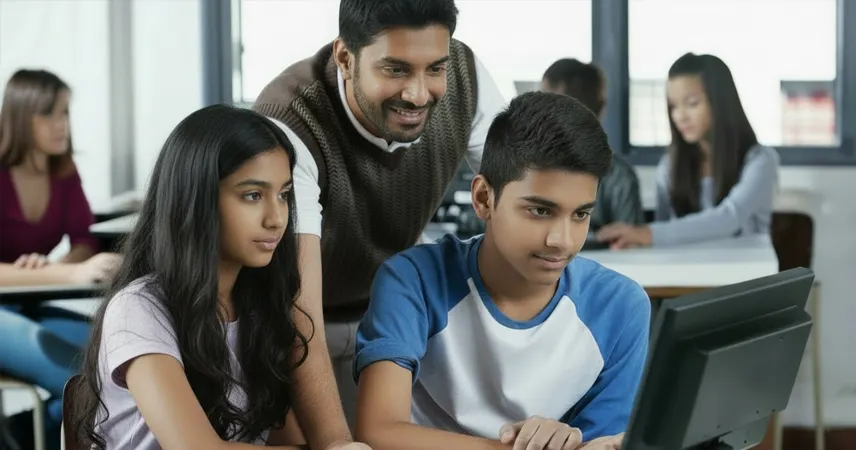
 Holistic Education
What Is Life Skills Education and Why Is It Important for Students?
Academic knowledge alone no longer prepares a child for the challenges life will actually present. Mathematics, science, and languages remain the foundation of learning, yet children also need the quieter abilities that help them meet everyday situations with confidence. This is where Life Skills Education becomes essential.
Life skills help learners manage emotions, communicate well, solve problems, and make responsible decisions. As the world children will inherit keeps changing, Life Skills Education plays a central role in shaping well-rounded, resilient, and capable young people. This guide explains what life skills education is, why it matters, and how it supports students well beyond the classroom.
What Is Life Skills Education?
Life Skills Education is the deliberate teaching of practical abilities that help students meet personal, social, and academic challenges well. These skills cannot be found in a textbook alone; they are learned through experience, reflection, and guided practice.
Life skills include:
• Communication and teamwork
• Critical and creative thinking
• Emotional awareness and empathy
• Decision-making and problem-solving
• Time management and self-discipline
By nurturing these abilities, Life Skills Education helps students turn knowledge into meaningful action in real-world situations.
Why Life Skills Education Is Important in School Years
Childhood and adolescence are the formative years in which habits, attitudes, and behaviours take shape. Introducing Life Skills Education during this window gives learners the confidence and adaptability to face academic and personal challenges alike.
Students with strong life skills tend to:
• Handle stress more effectively
• Build healthier relationships
• Show better classroom behaviour
• Develop independence and accountability
• Approach challenges with confidence
Schools that hold academics and life skills in balance create learning environments where students feel genuinely supported and prepared.
Life Skills Education and Emotional Development
Emotional intelligence sits at the heart of Life Skills Education. A learner who understands their own emotions is far better equipped to manage stress, frustration, and the daily give-and-take of social life.
Life skills help students:
• Recognise and express emotions appropriately
• Develop empathy for others
• Build self-confidence and self-awareness
• Resolve conflicts peacefully
These abilities matter most during adolescence, when young people navigate rapid emotional and social change all at once.
Communication Skills: A Foundation for Success
Clear communication matters at every stage of life. Life Skills Education teaches students to express their ideas, listen with genuine attention, and collaborate generously with others.
Strong communication skills enable students to:
• Participate confidently in class discussions
• Work effectively in group projects
• Build positive peer relationships
• Express opinions respectfully
When schools give communication this attention, students carry their confidence well beyond the classroom door.
Problem-Solving and Decision-Making Skills
Life is a sequence of choices, and students face them daily, from managing their time to handling peer pressure. Life Skills Education teaches learners to think critically and decide with care.
Through guided activities, students learn to:
• Identify problems clearly
• Evaluate possible solutions
• Understand consequences
• Take responsibility for decisions
Practised over time, these skills shape thoughtful, responsible young people.
Life Skills Education and Academic Performance
Contrary to a common assumption, life skills do not compete with academics; they strengthen them. Learners who receive Life Skills Education consistently show sharper focus, stronger motivation, and better time management.
Life skills support academics by:
• Improving concentration and organisation
• Encouraging goal-setting habits
• Reducing anxiety and exam stress
• Building resilience after setbacks
It is little wonder that parents exploring schools in Bangalore increasingly seek institutions that weave life skills through strong academic programmes.
Social Skills and Peer Relationships
Healthy social interaction is another lasting gift of Life Skills Education. Students learn to work in teams, respect differences, and meet disagreement with grace rather than conflict.
Social skills developed through life skills education include:
• Cooperation and teamwork
• Respect for diversity
• Conflict resolution
• Leadership and responsibility
These capacities serve students in school today and in every workplace they will one day join.
Preparing Students for Real-Life Challenges
Education worthy of the name prepares students not merely for examinations, but for the life that follows them. Life Skills Education bridges that gap by attending to practical, everyday abilities.
Students with strong life skills are better prepared to:
• Adapt to change
• Handle failure and success gracefully
• Communicate effectively with adults and peers
• Take initiative and responsibility
Such preparation grows only more valuable as students move toward higher education and their first careers.
Role of Schools in Teaching Life Skills
Schools carry a particular responsibility for Life Skills Education, delivered through classroom activities, projects, discussion, and co-curricular programmes.
Progressive institutions, including many CBSE schools in Bangalore, deliberately embed life skills within the curriculum through teamwork-based learning, leadership opportunities, and student-led initiatives.
By creating safe, supportive environments, schools give students real situations in which to practise what they are learning.
How Parents Can Support Life Skills at Home
Parents are true partners in Life Skills Education once the school day ends. Ordinary routines at home hold remarkable opportunities for learning.
Parents can:
• Encourage children to make simple decisions
• Teach responsibility through daily tasks
• Promote open communication
• Allow children to solve problems independently
• Model positive behaviour
When home and school speak the same language, life skills take root all the more deeply.
Life Skills Education and Future Readiness
The future will ask for adaptability, collaboration, and emotional intelligence. Life Skills Education cultivates qualities that hold their value whatever career a learner eventually chooses.
These include:
• Leadership and teamwork
• Critical thinking
• Emotional resilience
• Ethical decision-making
• Self-motivation
Families comparing the best schools in Bangalore increasingly favour institutions committed to holistic development rather than academics alone.
Challenges Without Life Skills Education
Without Life Skills Education, students can find stress, communication, and decision-making genuinely difficult. Academic success alone cannot fill the gaps left in emotional and social development.
Lack of life skills can lead to:
• Poor stress management
• Difficulty handling peer pressure
• Low confidence
• Weak problem-solving abilities
All of which underlines why life skills belong at the heart of modern education, not at its margins.
Conclusion
Life Skills Education is no longer optional. It is essential preparation for success in academics, in relationships, and in the emotional life of every learner. By cultivating communication, emotional awareness, sound decision-making, and resilience, life skills give students the confidence to meet real-world challenges on their own terms.
When schools and parents nurture these abilities together, children grow into responsible, adaptable, and confident individuals, ready for whatever the future holds. To invest in Life Skills Education today is to hand a child tools they will carry for a lifetime.
FAQs
1. What is Life Skills Education?
Life Skills Education teaches the practical abilities that help students manage their emotions, their relationships, and the everyday challenges life presents.
2. Why is Life Skills Education important for students?
It builds confidence, sharpens decision-making, and helps learners handle academic and personal challenges with composure.
3. Can Life Skills Education improve academic performance?
Yes. It strengthens focus, time management, and the ability to manage stress, all of which support better learning outcomes.
4. Are life skills taught only through special classes?
Not at all. Life Skills Education is most effective when woven into daily classroom activities, projects, and everyday interactions.
5. How can parents support Life Skills Education at home?
By encouraging independence, open communication, responsibility, and problem-solving in the ordinary situations of daily life.
Comments (00)