







 Education
What is AI Ethics: Simple Guide for School Students
Technology is reshaping the world at extraordinary speed, and Artificial Intelligence (AI) sits at the heart of that change. Yet with such power comes real responsibility, and that is precisely where AI ethics begins. Understanding AI ethics matters deeply for students, because you are the decision-makers and innovators of tomorrow. Schools, especially the top schools in Bangalore, are now teaching AI ethics with care, preparing young people for a responsible digital future.
What is AI Ethics in Simple Words?
AI ethics is the set of rules and principles that guide how artificial intelligence should be created and used fairly, safely, and responsibly. In the simplest terms, it answers one question: How can we use AI to help people without causing harm? Just as human beings live by moral values, AI needs thoughtful guidelines of its own, so that the decisions machines make truly serve society.
Why is AI Ethics Important?
AI is all around us—in smartphones, classrooms, hospitals, and even cars. Used carelessly, it can produce unfair outcomes or intrude on privacy. This is exactly why AI ethics matters: it safeguards fairness, protects personal data, brings transparency into the open, and encourages technology to be used with genuine responsibility.
Examples of AI Ethics in Real Life
Ethics in AI is easiest to understand through everyday examples:
• A face recognition app must not give biased results.
• AI grading systems should evaluate every student fairly.
• Healthcare AI must suggest safe treatments.
• Chatbots should protect your private data.
AI Ethics in Education
AI tools in schools now support learning, grading, and the management of activities. Yet they raise questions worth pausing over:
• Is student data safe?
• Is the AI tool giving equal opportunities?
• Can teachers trust AI decisions?
Every school carries a duty to ensure AI strengthens learning without ever introducing unfair practices.
Key Principles of AI Ethics
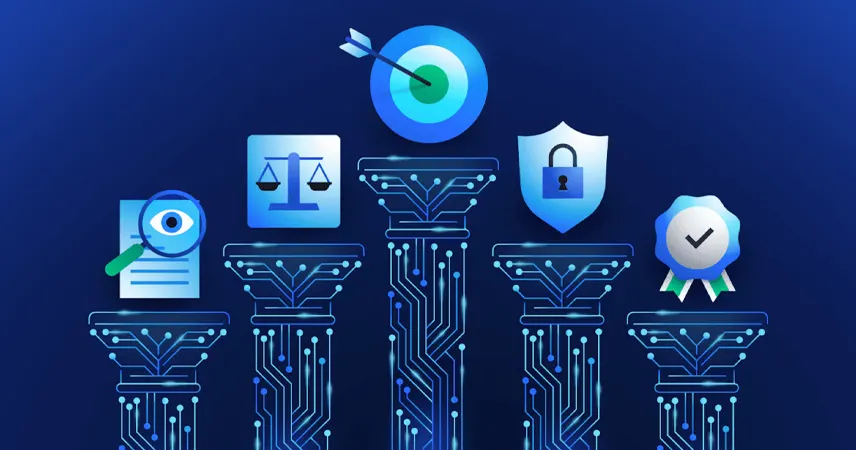
Five principles anchor everything else:
• Fairness
• Transparency
• Privacy
• Accountability
• Safety
Together, these principles guide responsible AI use and help students see clearly why AI ethics is the need of the future.

The Role of AI Ethics in Daily Life
AI ethics quietly shapes social media, online shopping, travel, and the way we communicate. Ethical AI means safe content suggestions, honest product recommendations, and self-driving cars that can be trusted. Students who understand AI ethics grow into thoughtful, responsible digital citizens.
AI and Responsibility
Humans control AI — never the other way around.
Three ideas are worth carrying with you:
• AI is a tool, not a master.
• Humans must take responsibility for AI actions.
• AI should always serve humanity.
Future of AI Ethics
The years ahead will bring global rules for AI, a growing community of ethics experts, AI ethics education in more classrooms, and deeper trust between humans and machines. The students of today will shape the ethical technology of tomorrow.
Understanding AI Ethics: A Student’s Perspective
AI ethics is not merely a rulebook—it is human values in action. The habit worth forming is simple: keep asking “Is this fair?” and “Does this respect people’s rights?” Those two questions, asked honestly, keep technology in responsible hands.
Conclusion
AI ethics means using artificial intelligence in ways that honour fairness, privacy, and human values. For students, it is a compass for becoming responsible digital leaders. Understand it well, and you will find yourself making the right choices in a world that refuses to stand still.
FAQs
What is AI ethics in simple terms?
AI ethics is the set of rules that guides artificial intelligence toward fair, responsible use.
Why is AI ethics important for students?
It teaches students to use technology safely, fairly, and with respect for others.
Examples of AI ethics in daily life?
Fair grading, protecting data, and bias-free face recognition tools.
How does AI ethics affect education?
It ensures the AI tools used in schools remain fair, transparent, and genuinely supportive of learning.
What is the future of AI ethics?
Global rules, student awareness, and stronger trust in AI systems.
Comments (00)