





 EdTech
AI in Education: Future Possibilities in Learning and Teaching
Education is evolving more quickly than at any point in living memory, carried forward by technology that keeps reshaping how children learn and how teachers teach. Among these innovations, AI in Education stands out as one of the most influential forces, opening new ways to personalise learning, support educators, and prepare young people for what lies ahead.
For parents, it helps to see artificial intelligence for what it truly is in the classroom—not a replacement for teachers, but a capable support system that enriches how children learn. This article explores the future possibilities of AI in Education and what they could mean for classrooms, teachers, and students in the years to come.
Understanding AI in Education
At its heart, AI in Education means using artificial intelligence technologies in service of teaching and learning. These systems analyse data, recognise patterns, and adapt content to meet each learner's individual needs.
In simple terms, AI helps:
• Identify how students learn best
• Provide personalised feedback
• Support teachers with planning and assessment
• Make learning more interactive and engaging
Far from standardising education, AI allows learning to become genuinely student-centred.
How AI Is Changing the Learning Experience
Perhaps the most promising quality of AI in Education is its ability to adapt to the individual learner. No two children learn in quite the same way, and AI-powered tools can shape lessons around each child's pace, understanding, and interests.
This means:
• Students who need extra help receive targeted support
• Faster learners can explore advanced concepts
• Learning gaps are identified early
• Confidence grows through personalised progress
Many forward-thinking schools, including several schools in Bangalore, are already weaving adaptive learning technologies into their classrooms to honour the diversity of the learners within them.
Personalised Learning: A Major Advantage
Personalisation is widely regarded as the greatest gift of AI in Education. Even the finest traditional classroom can struggle to reach every child individually; AI tools make tailoring each learning path far more achievable.
How Personalised Learning Helps:
• Lessons adjust to each student’s ability level
• Feedback is immediate and specific
• Practice activities focus on weak areas
• Students feel less pressure and more motivation
The result is a child who learns through confidence rather than comparison.

Supporting Teachers Through AI
AI was never meant to replace teachers, and it will not. What AI in Education truly offers educators is time and space for the work only humans can do: mentoring, creativity, and emotional support.
AI tools can assist teachers by:
• Automating routine tasks like grading
• Tracking student progress efficiently
• Providing insights into learning patterns
• Suggesting resources based on class needs
In environments such as CBSE schools in Bangalore, AI-powered platforms free educators from hours of paperwork, returning that time to what matters most: being present with their students.
Making Learning More Interactive and Engaging
Today's children are digital natives, and AI in Education meets them exactly where they are. Interactive tools powered by AI can turn learning into something children genuinely look forward to.
Examples include:
• Intelligent tutoring systems
• Gamified learning platforms
• Virtual simulations
• AI-powered quizzes and assessments
Each of these invites curiosity and active participation, gently replacing passive learning with discovery.
AI and Assessment: Moving Beyond Exams
Assessment is another area where AI in Education is quietly rewriting old habits. Rather than resting everything on examinations, AI makes continuous, holistic evaluation possible.
Benefits of AI-Based Assessment:
• Tracks progress over time
• Identifies strengths and weaknesses
• Reduces exam-related stress
• Supports skill-based learning
For parents and teachers alike, a child's learning journey comes into much clearer view.
Building Future-Ready Skills Through AI
Education has never really been about grades alone—it is about preparing children for the lives they will lead. AI in Education helps learners build essential skills that will serve them long after school ends.
These include:
• Critical thinking
• Problem-solving
• Digital literacy
• Adaptability
• Collaboration
Schools regarded among the best schools in Bangalore tend to blend academic learning with future-ready skill development, with AI playing a quiet, supportive role throughout.
AI and Inclusive Education
Among the most meaningful possibilities of AI in Education is its promise of inclusivity. AI tools can stand beside students with diverse learning needs, offering assistance shaped to each child.
This includes:
• Speech-to-text tools for language support
• Visual aids for better understanding
• Adaptive pacing for different learners
• Assistive technologies for special needs
In this way, AI helps build classrooms where every child has a genuine opportunity to flourish.
Addressing Parental Concerns About AI
The benefits are clear, yet parents are right to raise questions about screen time, data privacy, and over-dependence on technology. Responsible use of AI in Education answers these concerns with balance and steady guidance.
Healthy Use of AI in Learning:
• Clear limits on screen usage
• Adult supervision and involvement
• Ethical use of student data
• Focus on learning, not automation
Used thoughtfully, AI enriches education while leaving human connection exactly where it belongs, at the centre.
The Role of Schools in Responsible AI Integration
Schools carry a critical responsibility for ensuring AI is used both ethically and well. Successful implementation of AI in Education rests on trained teachers, clear policies, and honest, transparent communication with parents.
Effective schools:
• Educate parents about AI tools
• Train teachers in digital pedagogy
• Balance technology with traditional learning
• Prioritise student well-being
It is this balanced approach that earns the trust and confidence of families.
Preparing Students for an AI-Driven World
As AI settles into everyday life, students must learn to use technology with judgement and care. AI in Education therefore also means teaching children to understand, question, and engage with technology critically.
Students learn:
• How AI systems work at a basic level
• Ethical use of technology
• Responsible digital behaviour
• Awareness of online safety
Such lessons prepare children not merely for examinations, but for the real world waiting beyond them.
Future Possibilities of AI in Education
Looking ahead, the possibilities for AI in Education are vast and quietly thrilling.
The years to come may bring:
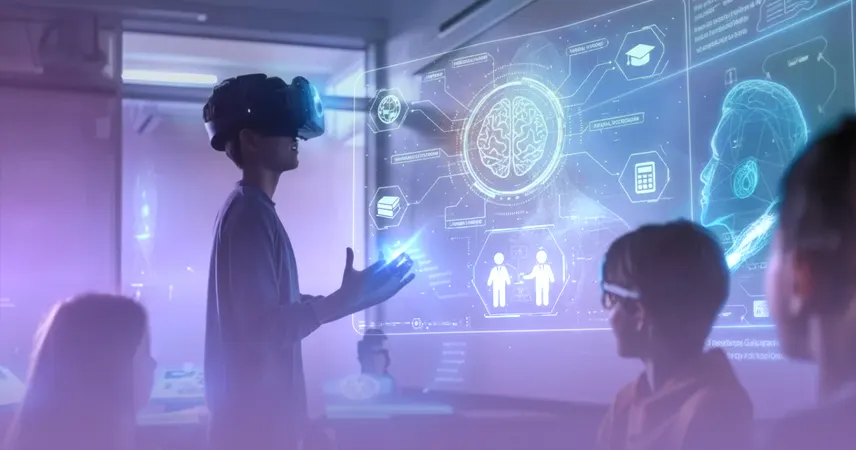
• Highly immersive virtual classrooms
• AI mentors that support emotional learning
• Real-time global collaboration between students
• Smarter career guidance systems
As the technology matures, education will grow steadily more flexible, more inclusive, and more personal.
Conclusion
AI in Education is shaping the future of learning by making classrooms more adaptive, more engaging, and more genuinely student-centred. Used responsibly, AI supports teachers, gives students greater agency, and offers parents a clearer window into their child's learning journey.
Rather than replacing traditional education, AI enriches it—joining human guidance with intelligent technology to ready children for a rapidly changing world. With the right balance, AI becomes a valued partner in nurturing confident, capable, and future-ready learners.
FAQs
1. What is AI in Education?
AI in Education refers to using artificial intelligence tools to support personalised learning and teaching.
2. Does AI replace teachers in classrooms?
No. AI lightens teachers' workload and sharpens learning insights, freeing them to spend more time mentoring their students.
3. Is AI in Education safe for children?
Yes—provided it is used responsibly, with proper guidance, supervision, and sound data protection measures in place.
4. How does AI help students learn better?
It adapts lessons to individual needs, identifies learning gaps, and provides instant feedback to help students improve.
5. Should parents be concerned about AI in learning?
With balanced use and thoughtful school supervision, AI strengthens learning rather than harming it. The healthiest view is of a support tool, never a substitute for human interaction.
Comments (00)